The search engine for the nervous system.
Every stimulator on Earth is set by hand. Averic finds the settings automatically: deciding what to test, running it in living nervous systems, measuring, and learning until it has a protocol.
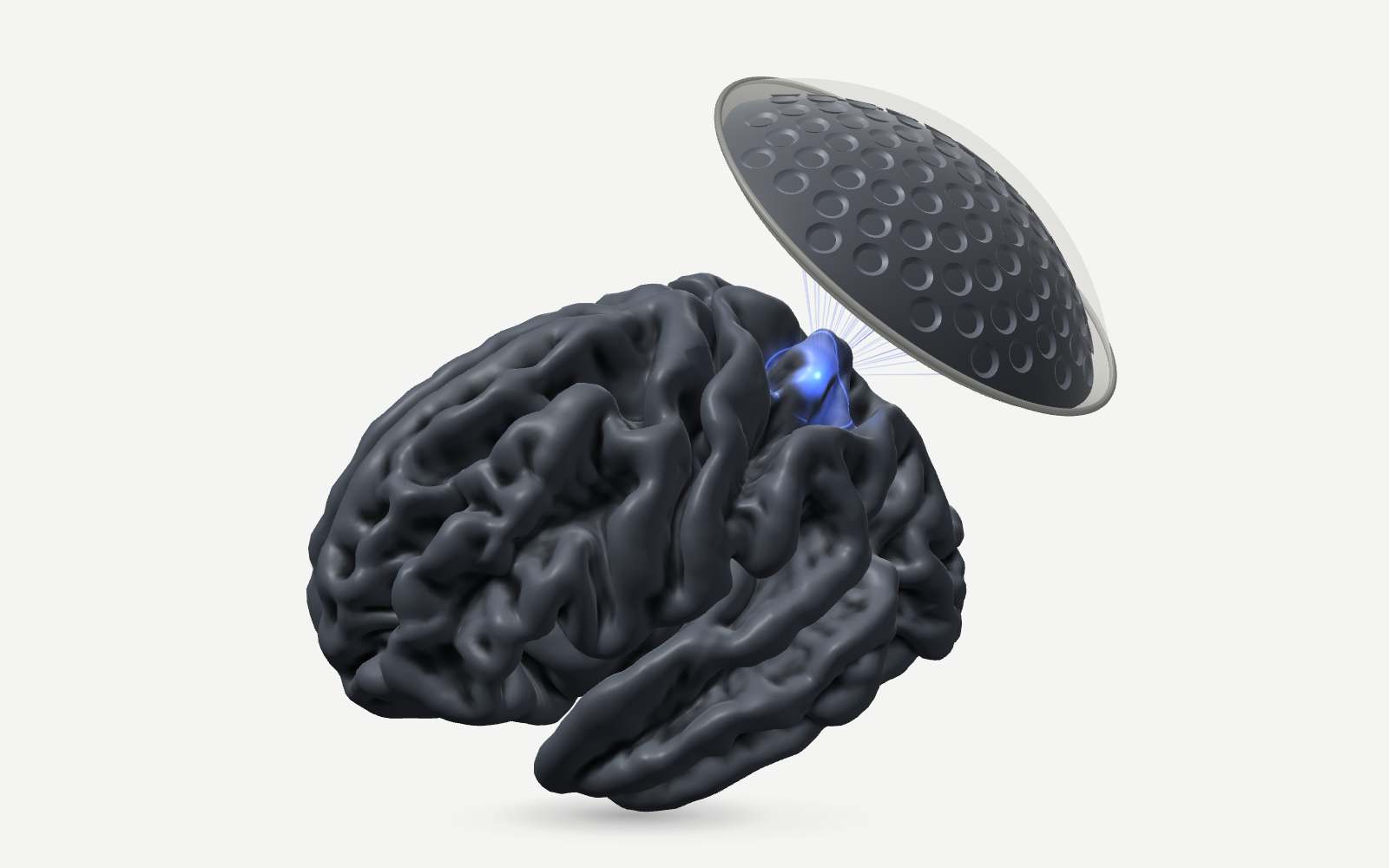
The search runs itself.
Millions of settings. Almost none work. By hand, that takes months. Averic runs the loop with no one in it.
Decide
The model picks the setting that will teach it the most.
Run
In a living nervous system. Minutes per trial.
Measure
Computer vision scores the response.
Learn
The next trial is a better guess.
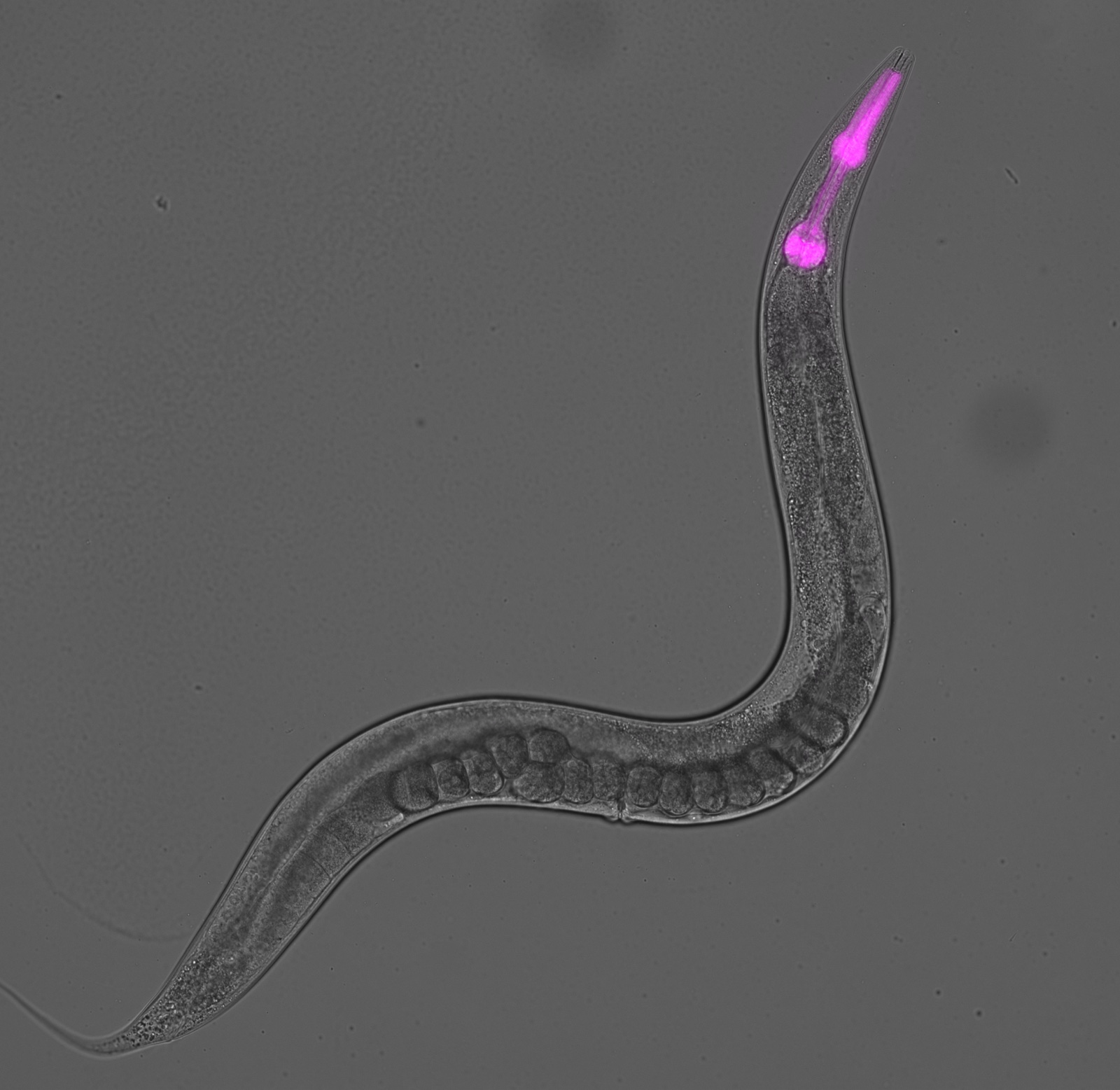
Living models, not simulations.
First, engineered C. elegans: 302 neurons, a trial in minutes, thousands a week.
Zebrafish, rodent, and large-animal models follow on the same loop.
The same search, on any modality.
Only the parameters change. Ultrasound runs today in C. elegans; light follows there, electrical leads with the rodent platform.
- Focused ultrasoundfrequency, PRF, duty cycle, intensity, duration, target
- Deep brain stimulationfrequency, amplitude, pulse width, contacts, polarity
- Spinal cord stimulationfrequency, amplitude, pulse width, contacts, waveform
- Vagus nerve stimulationfrequency, current, pulse width, on and off time, target
- Optogeneticsopsin, pulse width, frequency, irradiance, target
Every search makes the next one shorter.
3.4 billion people live with a neurological condition. The settings that treat them are found in the patient, one visit at a time.
A trial can now be run, filmed, and scored by a machine. In May 2026 ARPA-H designated up to $41.3 million for a sonogenetics program, the modality Averic's first platform runs on.
Every search adds to one dataset. The end state is one layer deciding what every stimulator on Earth does.
Built where the stimulators are built.
Averic is in Minneapolis, a few miles from the Medtronic campus that shipped the first approved deep brain stimulator. More than 180,000 Medtronic deep brain stimulators have been implanted, each programmed by hand.
Today: one loop, one species, one lab. We want one design partner with a costly parameter-search problem.